


Universitas Indonesia
•
27 NOVEMBER 2025
•
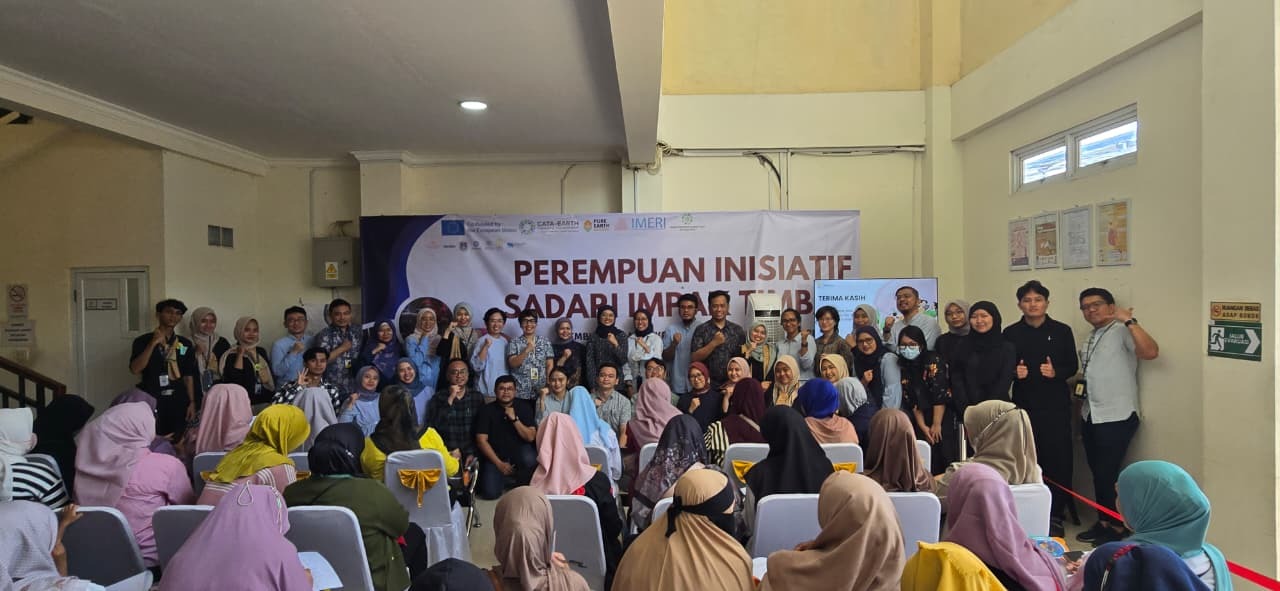
CATA-Earth UI successfully held the collaboration event with the ILUNI FKUI (Alumni Association of the Faculty of Medicine Universitas Indonesia) in the form of a webinar which brings out a hot topic relevant to Planetary Health in Indonesia nowadays. This webinar invites expert speakers, including dr. Pukovisa Prawiroharjo, SpN, Subsp. NGD(K), PhD as one of the researchers on the impact of microplastics on the brain, Prof. dr. Muchtaruddin Mansyur, MS, SpOk, Subsp. ToksiKO(K), PhD as an expert in occupational medicine, and Afifah Rahmi Andini as Plastic Lead Researcher at Greenpeace Indonesia.
Recently, the National Research and Innovation Agency (BRIN) reported that rainwater in Jakarta contained microplastics. The study, which was conducted from 2022 found that from every sample collected, there were 3 to 40 particles, or an average of about 15 microplastics found per square meter per day.
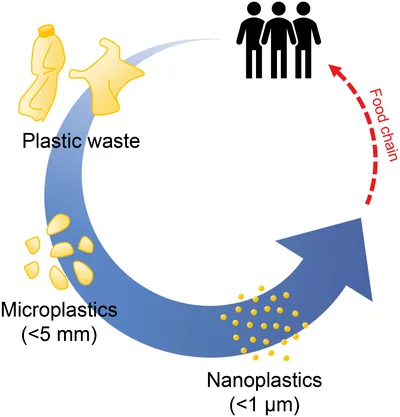
Afifah Rahmi Andini explained that microplastics are plastic particles measuring less than 5 millimeters that come from various sources such as degradation of large plastics, consumer products, and industrial products that utilize microplastic particles as raw materials that are difficult to decompose naturally. Also known as Nano Plastic for sizes < 5μ.


Microplastics are widespread in fresh waters and oceans due to the constant flow of water and ocean currents, threatening the survival of aquatic life and the health of aquatic ecosystems. Small organisms such as plankton consume microplastics found in the aquatic environment. Microplastics accumulate in animals that eat small organisms, growing up the food chain. Humans as final consumers are at risk of exposure to microplastics through seafood.
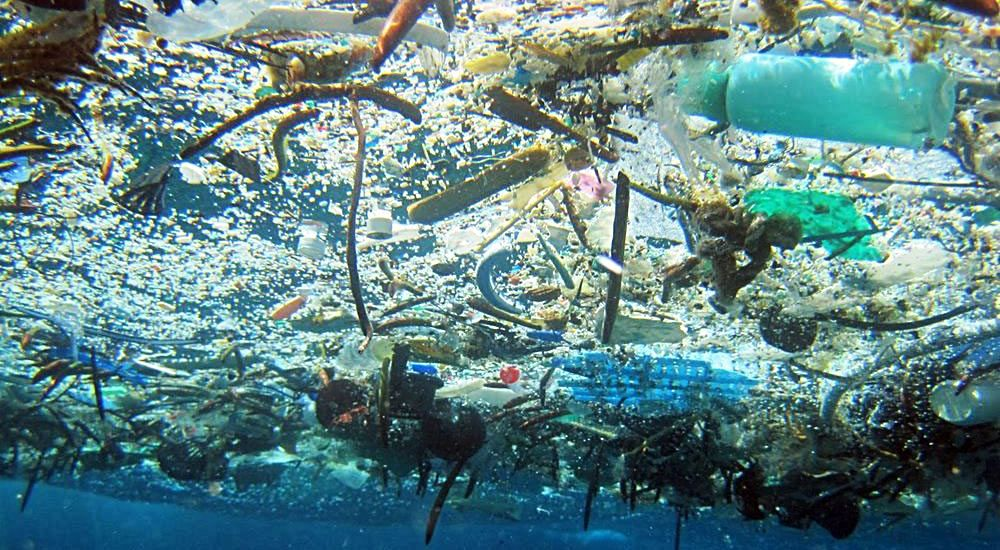
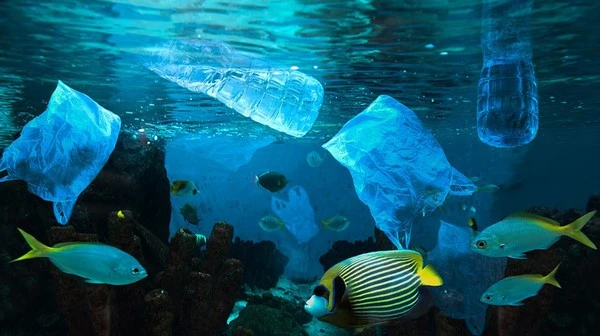
Microplastics pollute the soil through solid waste, threatening terrestrial organisms and soil quality. Dust particles containing microplastics can be inhaled, endangering human health and the air ecosystem.


Prof. Muchtaruddin Mansyur said that microplastics can affect human health including all organ systems in the human body, such as respiratory, digestive, blood circulation system, and even mental health. The impact of microplastics on health includes:
Respiratory disorders
The danger of inhaling microplastics and their accumulation in the lungs can trigger lung immune response to cause inflammation in the lungs, such as asthma and bronchitis. The accumulation of microplastics in lung tissue which is difficult to remove naturally also can damage and turn into scar tissue and can even develop into malignancy.
Digestive Function Disorders
Absorption into the body passes through the digestive tract before reaching the intestinal wall to be absorbed. Some is absorbed through the intestinal wall and enters the body. The disorders are caused by disruption of the balance of intestinal microbiota which is important for healthy digestion.
Blood Circulation Disorders
Exposure to microplastics is correlated with an increased risk of cardiovascular disorders and heart disease. Microplastics can enter the blood circulation and interact directly with blood vessels that can trigger oxidative stress that damages blood vessel cells and tissues and causes blood vessel inflammation. Affected blood vessels cause problems with the organs they supply such as the kidneys, heart and brain.
Mental Health
Psychosocial Problems Due to Physical Disorders can trigger psychosocial problems such as stress and anxiety which have an impact on mental well-being. Anxiety increases if information on the risks of microplastics is unclear or excessive in the community. Microplastic pollution causes collective stress that negatively impacts social interactions and trust between community members.
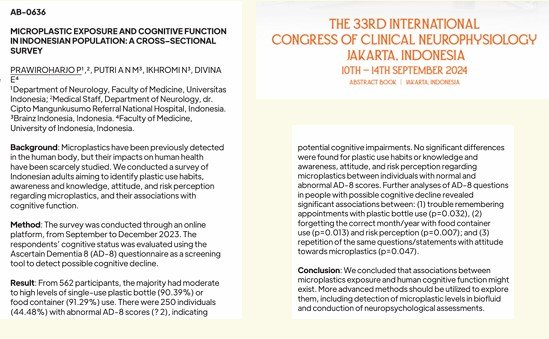
Recently, Universitas Indonesia conducted a study led by dr. Pukovisa Prawiroharjo, Sp, N, Subsp. NGD (K), PhD, SH CIPA, CIT, FISQUA, CMC, CHT, CHmed (A Neurologist of Faculty Medicine Universitas Indonesia) about the relationship between exposure and findings of microplastics to decreased cognitive function in the adult population in the Jakarta area and its surroundings from January 2023-December 2024. The results concluded that associations between microplastics exposure and human cognitive function might exist, in which there were 95% of samples in blood, urine, and feces which consisted of microplastics, or an average of 1-5 particles per sample with the most dominated particle is Polyester. And there were 41,8% of the samples having the decreased cognitive function, especially the samples that have been found in the bloodstream. Pukovisa explained the mechanism of decreased cognitive function caused by microplastics is that microplastics in the blood can penetrate into the brain, so they can cause inflammation in the brain and in the long term can disrupt brain function. Aside from human health impact, there’s also consequences of microplastics in the economic field for the community, such as decreased productivity; agriculture, fisheries, and tourism. Because of decreased production results, the income of people also decreases.
The messages presented in this webinar emphasize that microplastic exposure is widespread and poses multifaceted risks to environmental integrity, human health, and socioeconomic stability. That’s the reason we must be aware about this topic, so we can spread awareness and education about the dangers of microplastics. Accurate education helps people understand better the risks of microplastics for health and the environment. High awareness also encourages behavioral changes towards better waste management. Aside from that, we also must have responsible behavior that helps reduce the impact of microplastics on the surrounding environment and solidarity opportunities to build and take joint action to overcome microplastic pollution.




 English
  Indonesian