


What You Should Know About The Lead (Pb) Exposure?
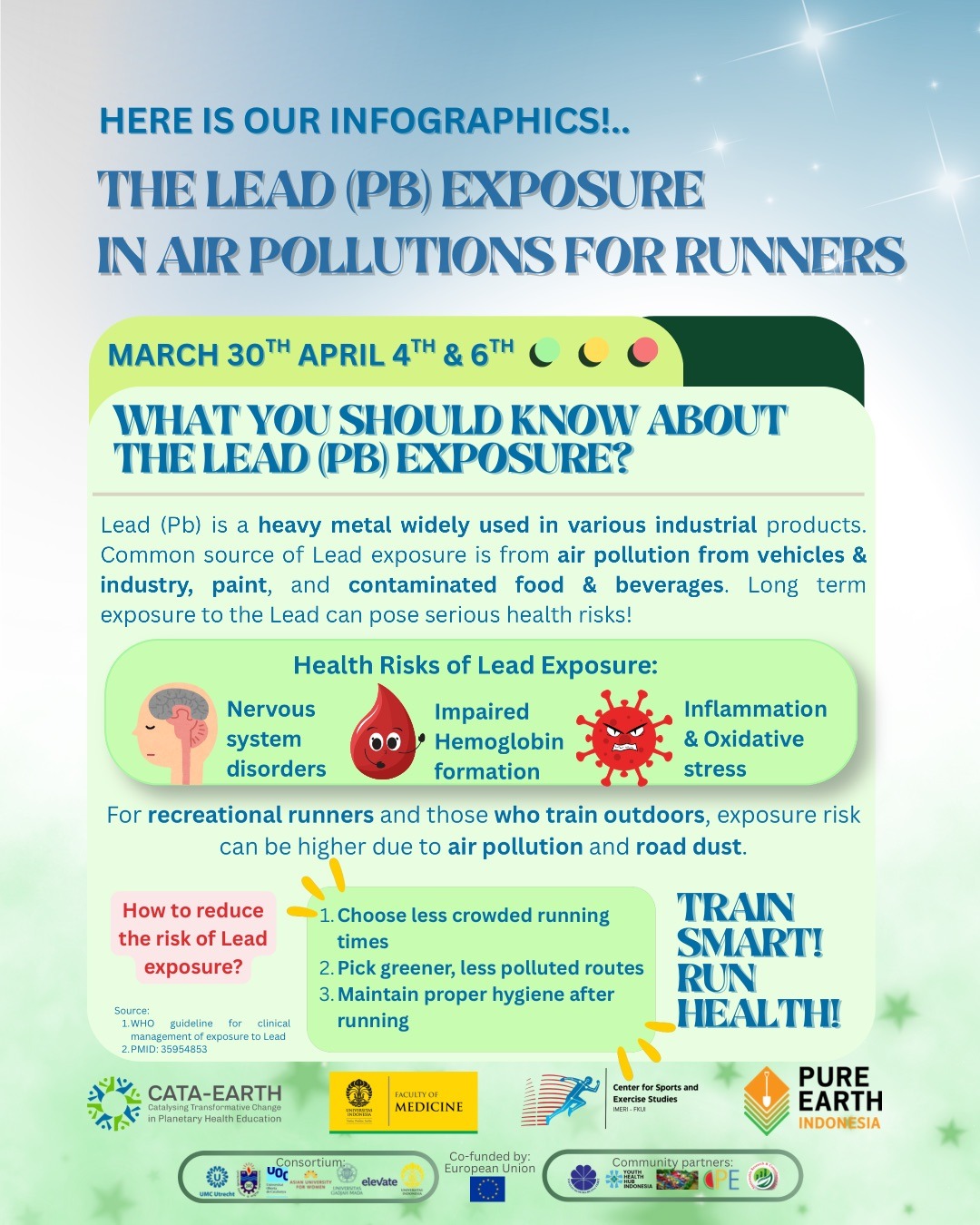
Lead (Pb) is a heavy metal widely used in various industrial products. Common sources of Lead exposure is from air pollution from vehicles & industry, paint, and contaminated food & beverages. Long term exposure to the Lead can pose serious health risks!
Higher ventilation rates during exercise lead to greater inhalation of pollutants. This exposure can trigger inflammatory responses in the respiratory and cardiovascular systems. Lead is particularly concerning because it accumulates in the body and interferes with heme synthesis, reducing the blood’s oxygen-carrying capacity. Consequently, elevated lead levels may impair physical fitness and exercise performance while increasing physiological stress during physical activity.
Health Risks of Lead Exposures:
- Nervous System Disorders
Lead can affect the brain and nervous system by interfering with nerve signaling. Long-term exposure may lead to headaches, difficulty concentrating, memory problems, mood changes, and decreased cognitive function. It also can impair coordination and neurological performance in severe cases.
- Impaired Hemoglobin Formation
Lead interferes with the production of hemoglobin, the protein in red blood cells that carries oxygen throughout the body. Reduced hemoglobin production may contribute to anemia, causing symptoms such as fatigue, weakness, dizziness, and reduced exercise performance.
- Inflammation & Oxidative Stress
Lead exposure can increase the production of harmful molecules called free radicals. This process, known as oxidative stress, can damage cells and tissues and trigger chronic inflammation, which may negatively affect overall health and physical performance.
How to reduce the risk of Lead Exposure?
- Choose less crowded running times
Air pollution from traffic tends to be higher during rush hours. Running during times with lower traffic volume, such as early morning or late evening, may help reduce exposure to pollutants.
- Pick greener, less polluted routes
Choosing greener environments can reduce exposure to airborne pollutants and road dust. Parks, tree-lined streets, and routes away from heavy traffic generally have better air quality.
- Maintain proper hygiene after running
Wash your hands, face, and exposed skin after outdoor exercise to remove dust and pollutants. Changing clothes and showering after running can also help reduce prolonged contact with environmental contaminants.


 Indonesian
  English