


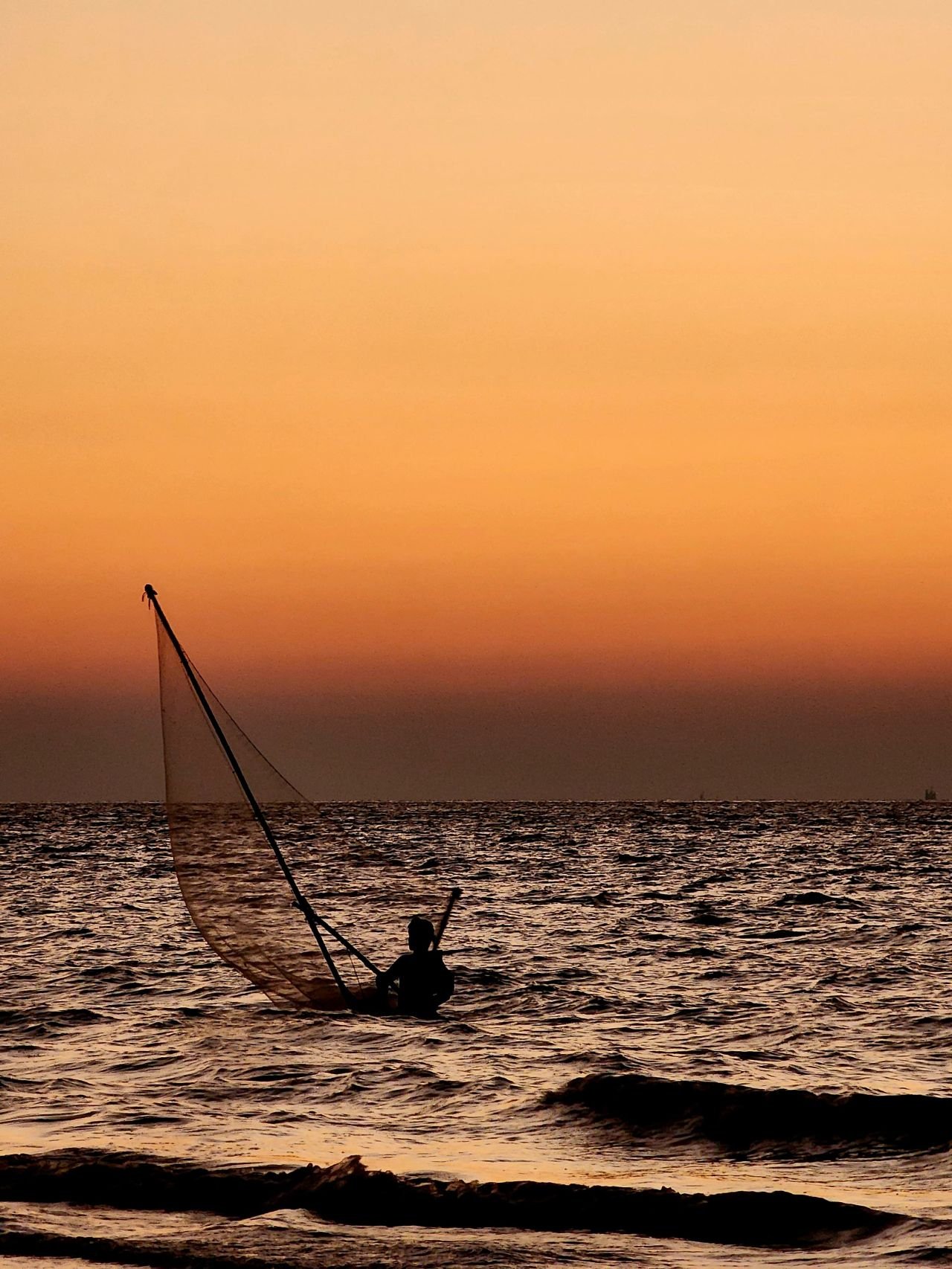
Cox’s Bazar, Bangladesh
•
24 NOVEMBER 2025
•
Where the tides rise and the shores shrink, Kutubdia’s people carry a story of heartbreak and unwavering hope—holding onto the land that remains, their strength, and the promise of a sustainable future. Located off the coast of Cox’s Bazar, Kutubdia Island lies on the frontlines of climate change, where rising seas and erosion threaten homes, livelihoods, and ecosystems. This vulnerable island is the study area of the Center for Climate Change and Environmental Health (3CEH) at the Asian University for Women, under the CATA-Earth Project co-funded by the European Commission. Kutubdia’s struggle reflects a core principle of planetary health: the well-being of people cannot be separated from the well-being of the environment, and as the island weakens, so do the systems that sustain life, livelihoods, and hope.
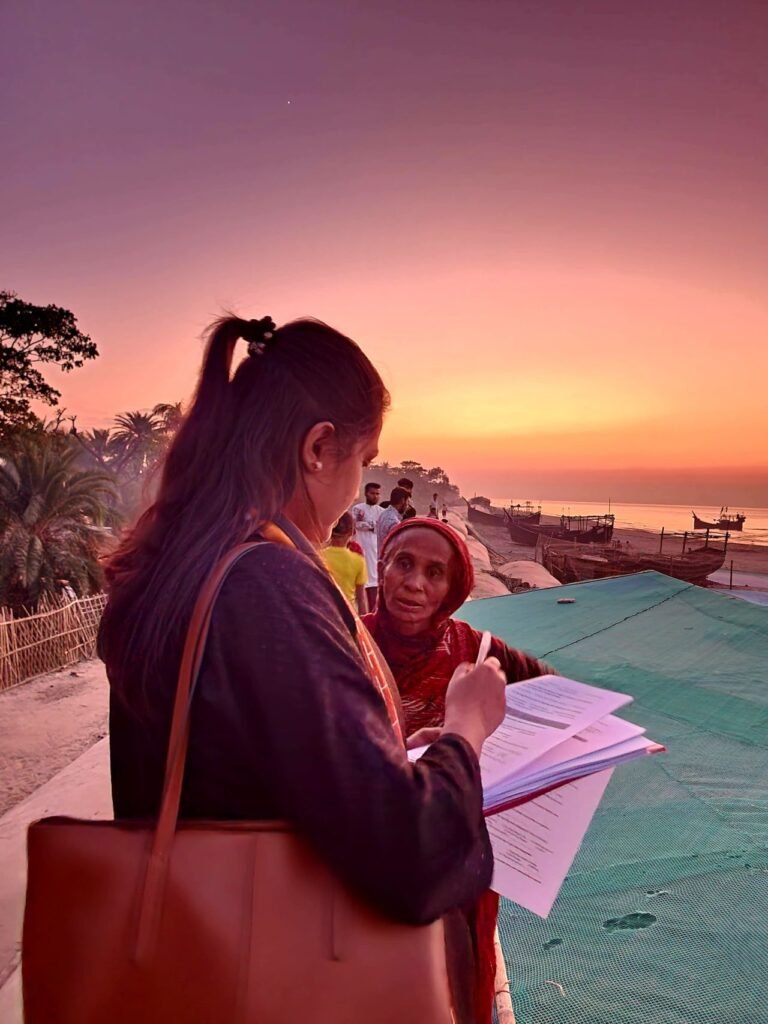
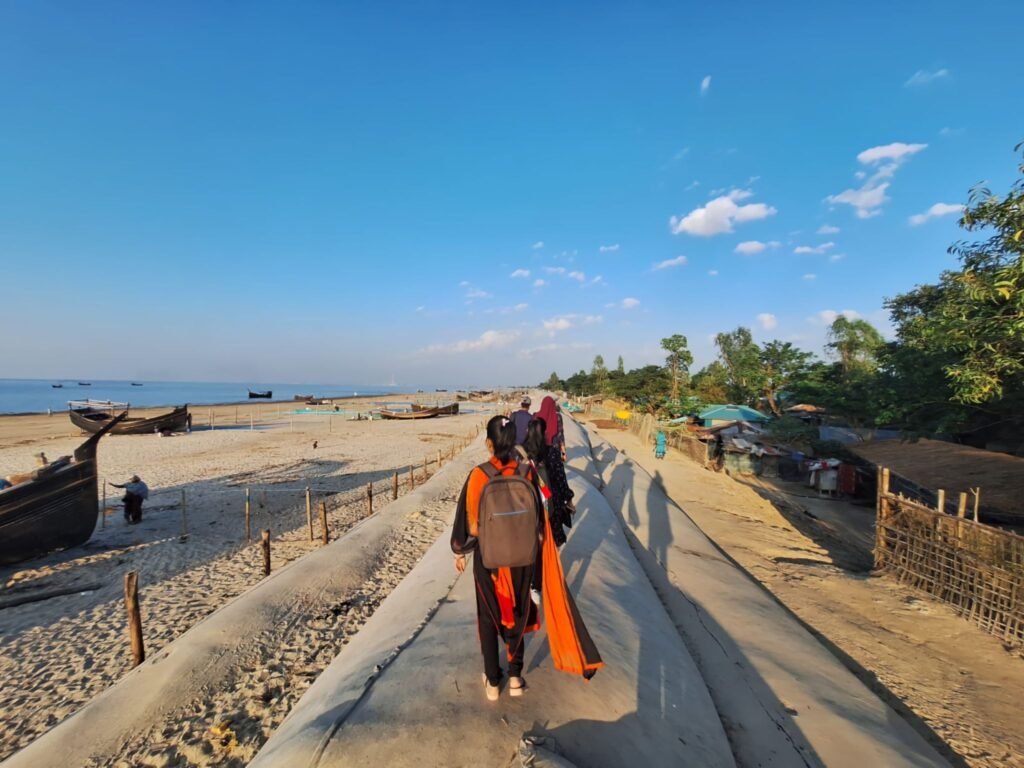
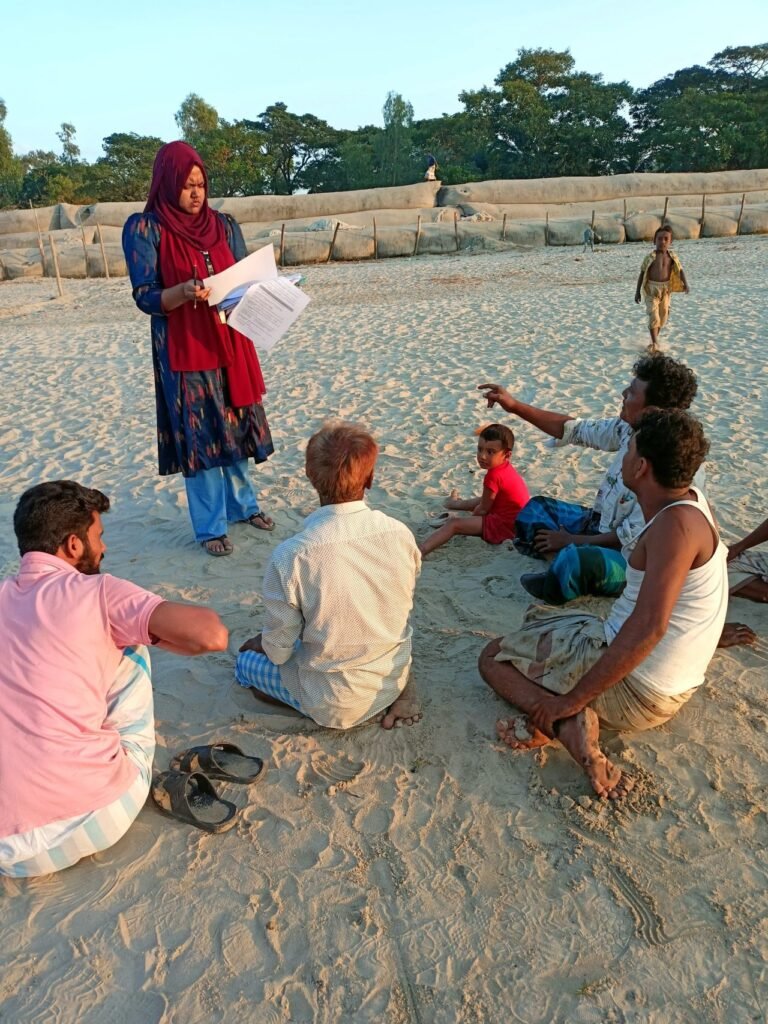
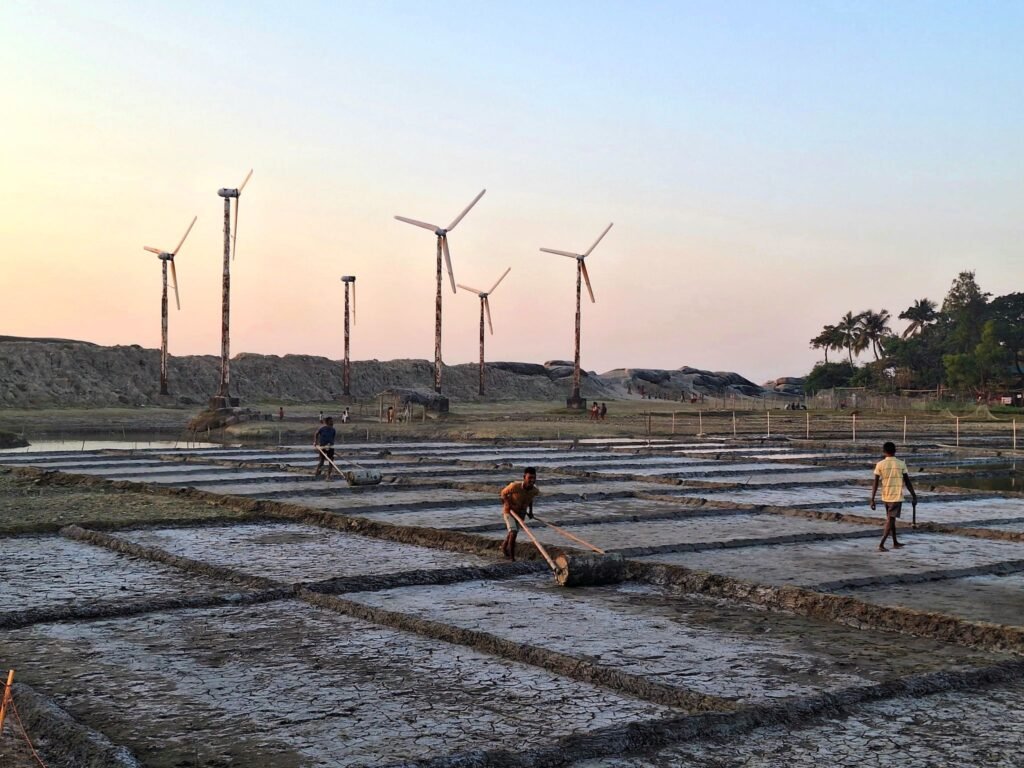
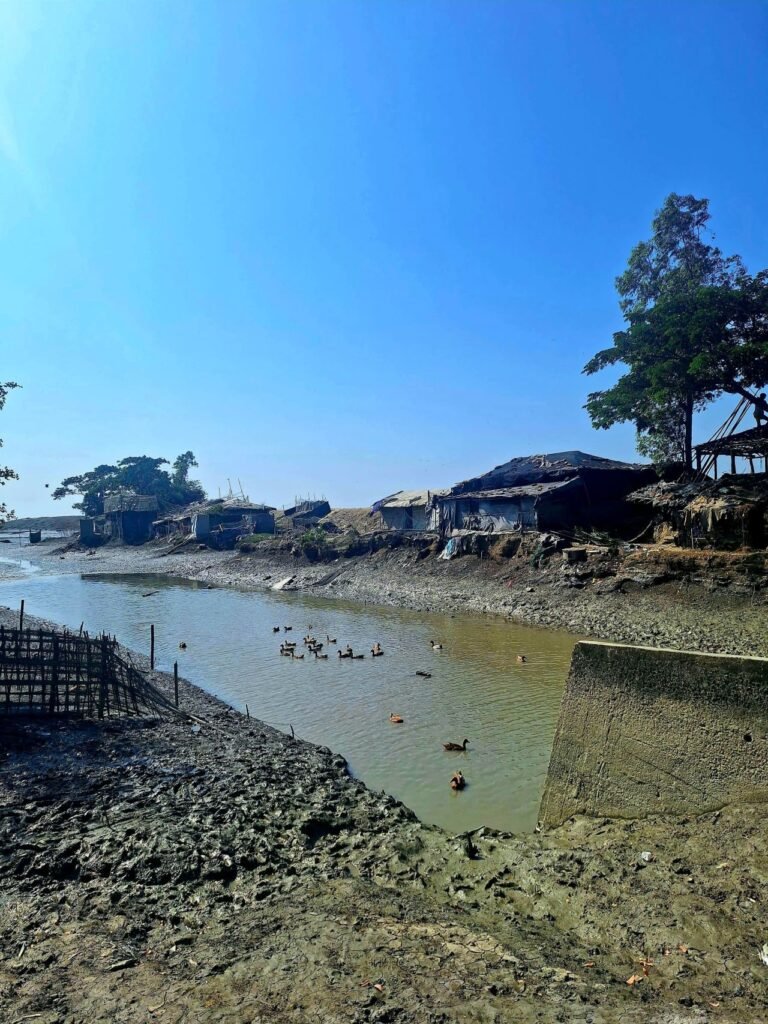
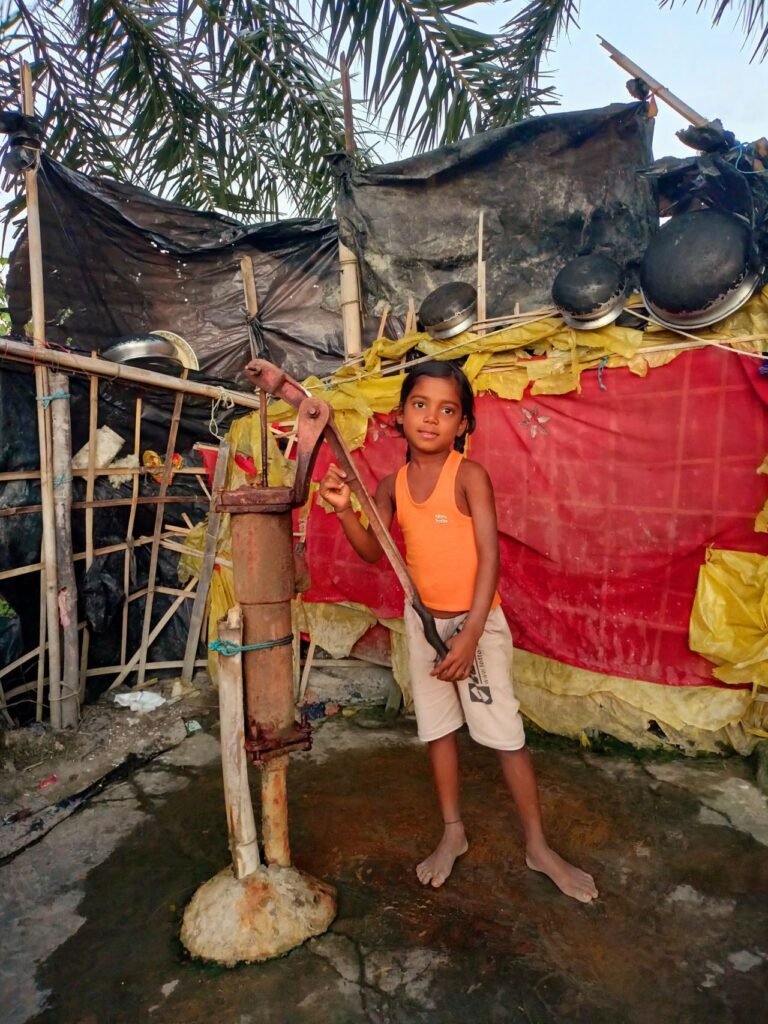
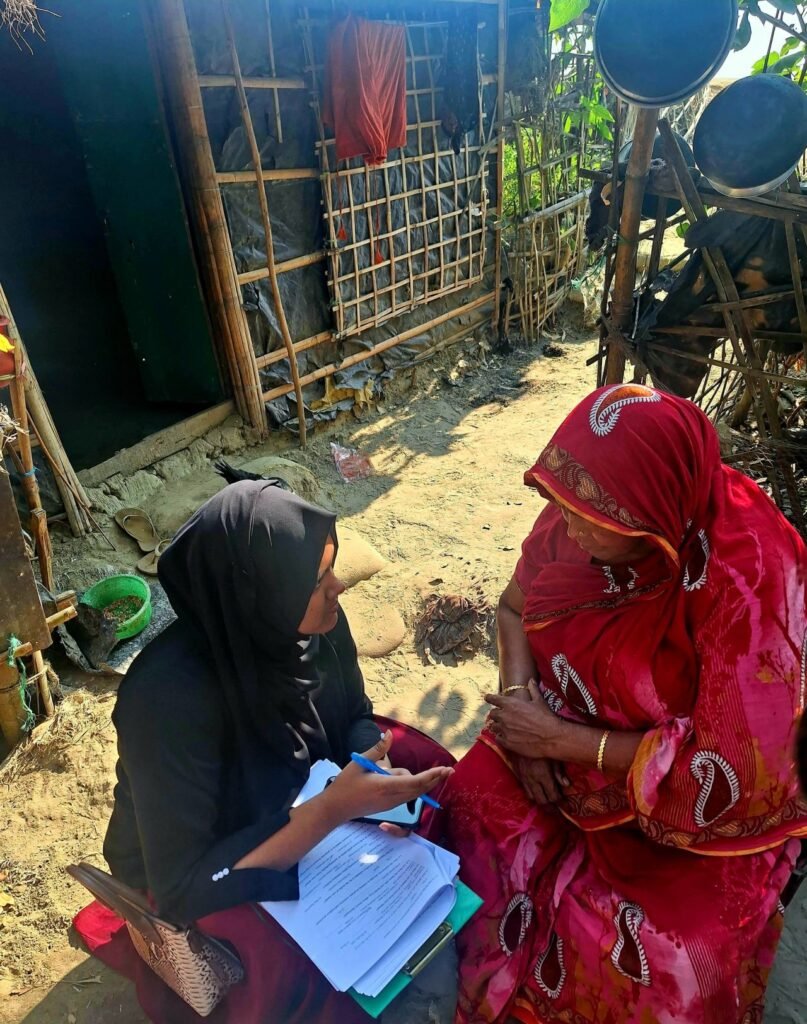
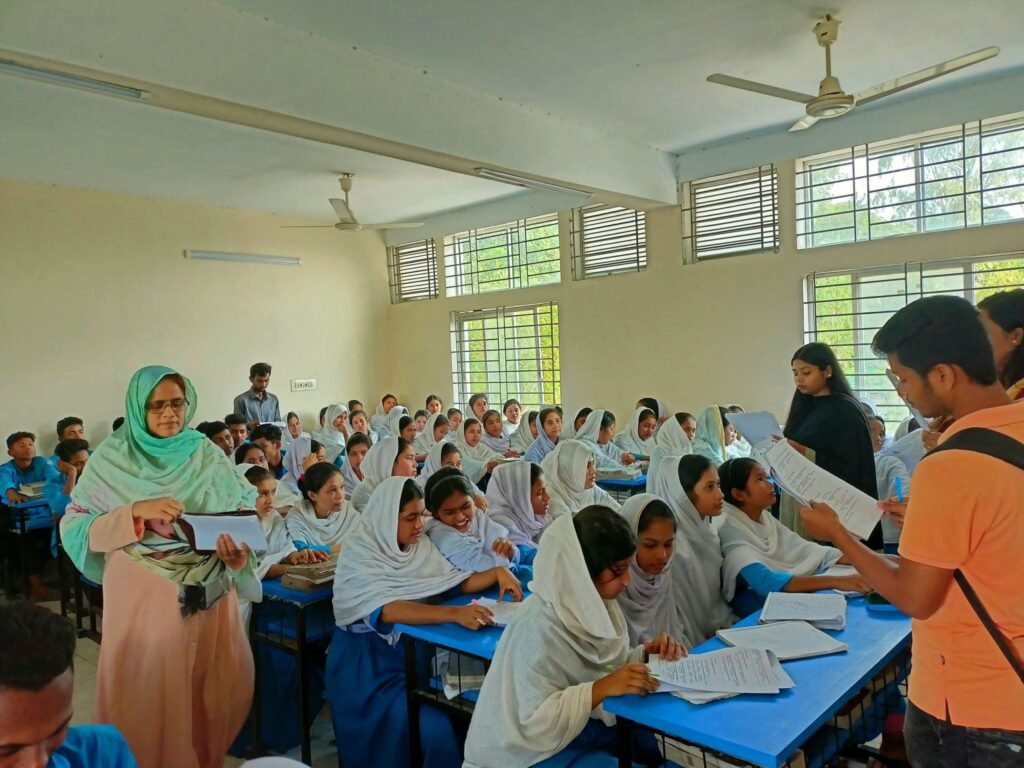
Through our pilot survey, baseline study, and community workshops, we have heard powerful stories of resilience—from families adapting to saltwater intrusion and farmers battling soil degradation to mothers searching for safe drinking water. These experiences show how environmental decline directly affects nutrition, disease risks, mental health, and overall well-being, making Kutubdia a powerful real-world example of planetary health in action.
The voices of Kutubdia’s people are shaping the CATA-Earth Project—turning research into action and action into hope. Together, we work toward climate resilience, community empowerment, and a healthier planet for all.
#CataEarth #EuropeanCommission #3CEH #PlanetaryHealth #ClimateResilience #ClimateJustice #CommunityEmpowerment #SustainableFutures #ErasmusPlus #CBHE #GlobalHealthEquity #Kutubdia #ResearchForChange #HopeBeyondTheWaves



 Indonesian
  English