


Indonesia, the world’s largest archipelago, has long been known for its extraordinary natural wealth such as dense tropical rainforests, fertile volcanic soils, rich marine ecosystems, and vibrant coastal communities. Indonesia’s unique geography has always been a source of resilience and prosperity. Its forests serve as critical carbon sinks. Its oceans provide food and livelihoods for coastal populations. Its mountains, rivers, and fertile lands support agriculture and cultural traditions passed down for generations. Indonesia is home to some of the planet’s most diverse environments.
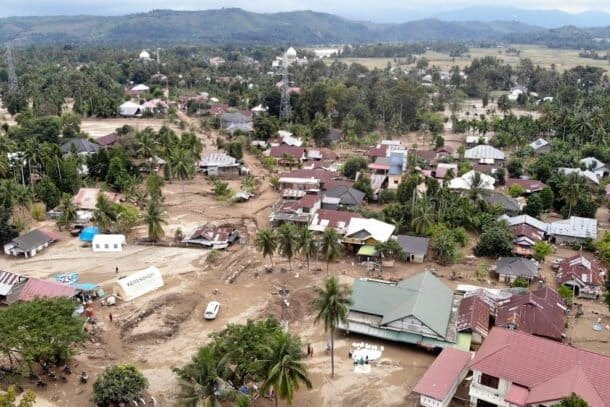
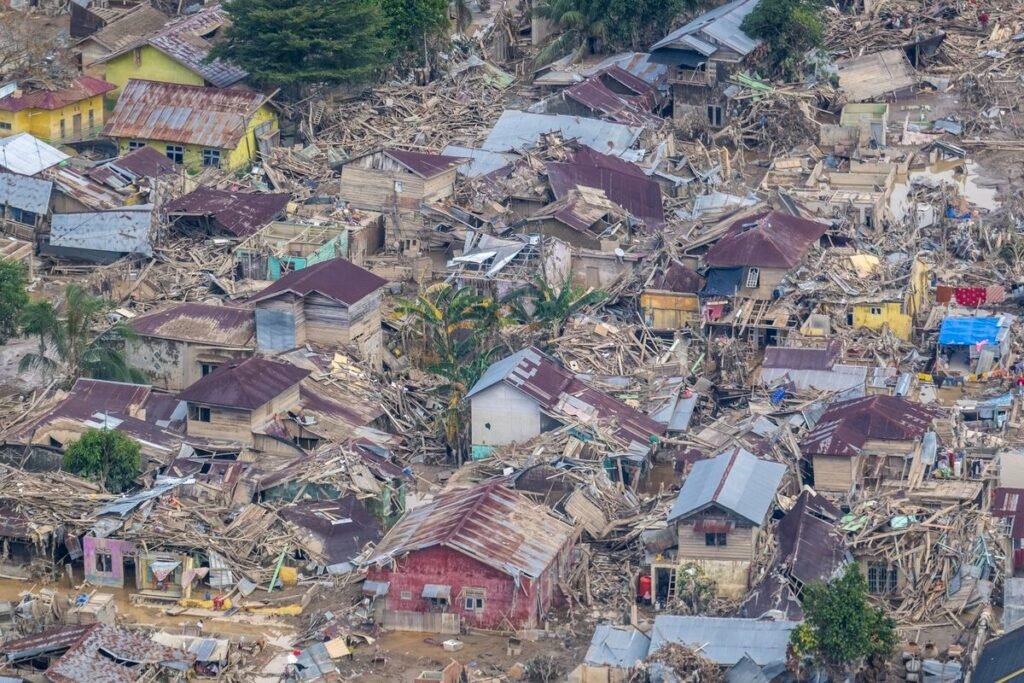
Unfortunately, nowadays, this natural abundance stands at a turning point. Recently, a series of severe hydrometeorological disasters in the form of flash floods and landslides hit the northern and central regions of Sumatra Island in late November 2025. This disaster mainly affected three provinces: Aceh, North Sumatra, and West Sumatra. According to data updates released by the National Disaster Management Agency (BNPB) as of December 7 2025, 940 people were dead and 276 others still missing. The disaster directly impacted more than 3.3 million people where 5000 people were injured, 835 thousand people were forced to evacuate, and some villages even have disappeared after being turned into river channels.
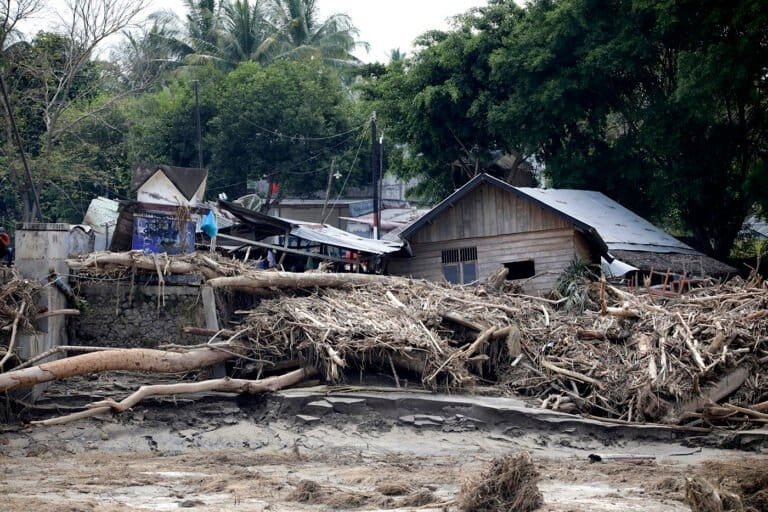
This disaster wasn’t solely caused by extreme weather. The Independent Forest Monitoring Network (JPIK) confirmed that this disaster was a direct consequence of forest destruction in the upstream region, such as deforestation, large-scale land clearing which have caused the water buffer zone to lose its ecological function. Traces of logs and drifting materials also indicate logging activity in upstream areas, both legal and illegal practices. When forests are cleared, the soil’s water absorption capacity decreases drastically, surface runoff increases, and the risk of landslides soars. Landslide material accumulating in river channels can form natural dams that can burst at any time, causing massive flash floods. Experts believe these series of floods and landslides represent the accumulation of long-term environmental changes.
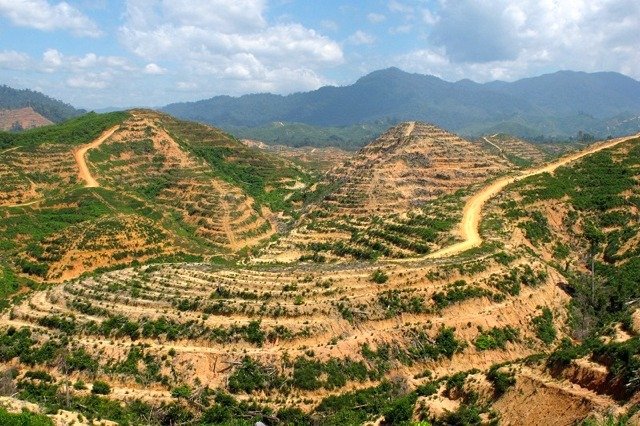
This is one of the reasons for CATA-Earth to release the youtube video “The Fall of Abundance: Indonesia on the Edge of Climate-Driven Change” to capture this moment of urgency where environmental change is no longer a distant warning, but a lived reality for millions. This youtube video highlights a sobering reality where this abundance is increasingly fragile. Climate change, deforestation, pollution, and unsustainable development are accelerating environmental decline across the archipelago. Floods, droughts, extreme heat, and rising sea levels are gaining frequency and intensity which are pushing ecosystems past their limits and threatening the wellbeing of people who depend on them. The phrase “on the edge” is not metaphorical. It reflects how close Indonesia is to losing irreplaceable ecological and cultural assets unless decisive action is taken.
One of the strongest messages from the video is that climate change is not just an environmental issue, it is a human one. Millions of Indonesians rely directly on natural resources for their everyday lives. Meanwhile, environmental change nowadays is faster, broader, and more unpredictable than anything Indonesia has faced before. Entire ecosystems are shifting at a pace human adaptation can’t match. If environmental degradation continues unchecked, Indonesia risks losing not only its natural riches, but also the cultural identities and livelihoods intertwined with them. The message is clear: resilience alone is no longer enough. Protection, mitigation, and long-term planning are urgently needed. Indonesia must act decisively soon. If action is taken, Indonesia has the potential to become a global leader in climate resilience and sustainable development, a model for how nations can confront climate-driven change with courage and innovation.
Here is why CATA-Earth exists, ‘Catalysing Transformative Change in Planetary Health Education’ is a collaboration project that unites universities from Europe and Asia to build impactful, community-centered planetary health education, especially in climate-vulnerable regions to empower future changemakers with actionable planetary health knowledge and skills. Through embedding planetary health education in curricula is the way to deliver new transdisciplinary, intersectoral solutions for communities to face the complex planetary challenges and it is urgently needed. CATA-Earth’s approach is multifaceted, integrating medicine, ecology, and education. Abundance is not guaranteed, but it needs awareness, responsibility, and collective action from all.




 English
  Indonesian